How to wash a ceramic-coated car so the coating keeps working
A good wash routine is the cheapest way to keep a coating looking and behaving the way it did on day one.
October 19, 2026 · 4 min read
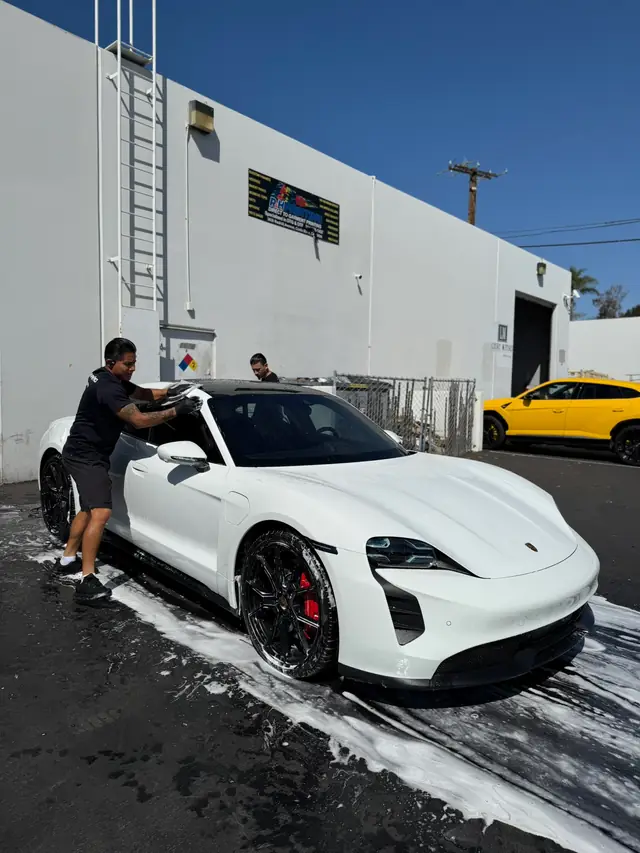
One of the first things people notice after a ceramic coating is how little the car holds onto. Dirt rinses off, water sheets away, and a wash that used to take a whole afternoon takes much less time. That ease leads some owners to assume the car no longer needs care. It does. A coating is a protective layer, and like any layer it performs best when the surface is kept clean and the wash method does not grind grit across it.
This guide covers the habits that matter most. The details below are general craft. Your own coating may come with specific care instructions, and warranty terms differ by package, so ask what your paperwork asks of you.
Why the wash method matters
Most fine scratches on a car come from washing. A dirty mitt, a gritty sponge or an automatic wash with spinning brushes drags small particles across the paint. A coating is hard and resists abrasion, but it is thin, and swirl marks still show up in a glossy finish. The goal of a careful wash is simple: lift the dirt off the surface and carry it away, rather than rub it around.
This is the same thinking behind the detailing process at Platinum Plus. The exterior detail starts with a full surface inspection, moves to a two-bucket hand wash, and then goes to clay bar decontamination. The wash comes before everything else because anything left on the paint gets worked into it by the steps that follow.
The two-bucket method
The method needs two buckets, a wash mitt and a good microfiber towel. One bucket holds your soapy water. The other holds clean rinse water. After each section of the car, you dunk the mitt in the rinse bucket first, wring it out, and only then go back to the soap. The grit you picked up from the lower door stays in the rinse bucket instead of going back onto the hood.
- Rinse the whole car first with plain water to knock off loose dirt.
- Wash from the top down, one panel at a time, saving the lower sections and wheels for last.
- Rinse the mitt in the clean bucket after every panel, then reload with soap.
- Use a pH-neutral car shampoo and a clean microfiber or wash mitt.
- Rinse thoroughly and dry with a clean, soft microfiber towel so water does not dry into spots.
Work in the shade if you can, and on a cool panel. Soap that dries on hot paint leaves residue that is harder to remove than the dirt it was meant to lift.
What to skip
Skip the automatic wash with brushes. Skip dish soap, which can leave a film and is not designed for paint. Skip abrasive polishes and heavy-duty cleaners on a coated surface unless your installer has told you they are safe for your product. If you want a gloss boost between full details, ask which spray products work well on your specific coating, because they are not all interchangeable.
Contaminants are the other thing to watch. Bird droppings, tree sap and bugs are acidic or sticky, and the longer they sit, the harder they are to remove. The Ceramic Pro coatings Platinum Plus installs are designed to resist these, along with road tar, motor oil and acid rain, but resist does not mean ignore. A quick rinse or a wipe with a damp microfiber soon after the mess lands is far gentler than scrubbing later.
Why beading changes
On day one, water forms tight, round beads and rolls off the car. Over time, many owners see that beading looks lazier, and the first worry is that the coating has failed. Most of the time it has not. The usual cause is a thin film of road grime, mineral deposits from hard water or leftover soap sitting on top of the coating. The coating is still underneath, but its slick surface is covered.
A proper wash often brings the beading back. If it does not, the surface may carry bonded contamination that a regular wash cannot lift. That is when a decontamination step makes sense. Platinum Plus uses an iron decontamination wash and clay bar as part of its prep before any coating, because a coating bonds best to a clean surface.
Hard water is worth a mention here. Water that dries on the paint leaves mineral spots, and a coating does not make them disappear. Drying the car with a soft towel after rinsing removes most of that problem before it starts.
When to bring it in
If your washes are careful and the car still looks dull, has stubborn spots or has lost its slickness, bring it to the shop and let the team look at it in person. Sometimes a decontamination and a fresh wash is all it takes. Other times there are swirls or marks that need a light correction. An in-person look is the quickest way to find out which, and it costs nothing to ask.
Hand-washing a newly coated car is also a good habit to build from the first week. Ask the team when your coating is ready for its first wash, because cure times vary by product. See the ceramic coating packages for the levels Platinum Plus installs, or call (714) 614-1691 with questions about caring for yours.
Platinum Plus Detailing, (714) 614-1691
Call (714) 614-1691More articles
Ceramic coating vs paint protection film: what each one does for your paint
Coating and film protect paint in different ways, and knowing the difference makes any quote easier to read.
Choosing window tint film: Carbon, Ceramic IR or Ultimate IR
Darkness and heat rejection are two different things, and the film you pick controls the second one more than the first.