Choosing window tint film: Carbon, Ceramic IR or Ultimate IR
Darkness and heat rejection are two different things, and the film you pick controls the second one more than the first.
October 19, 2026 · 4 min read
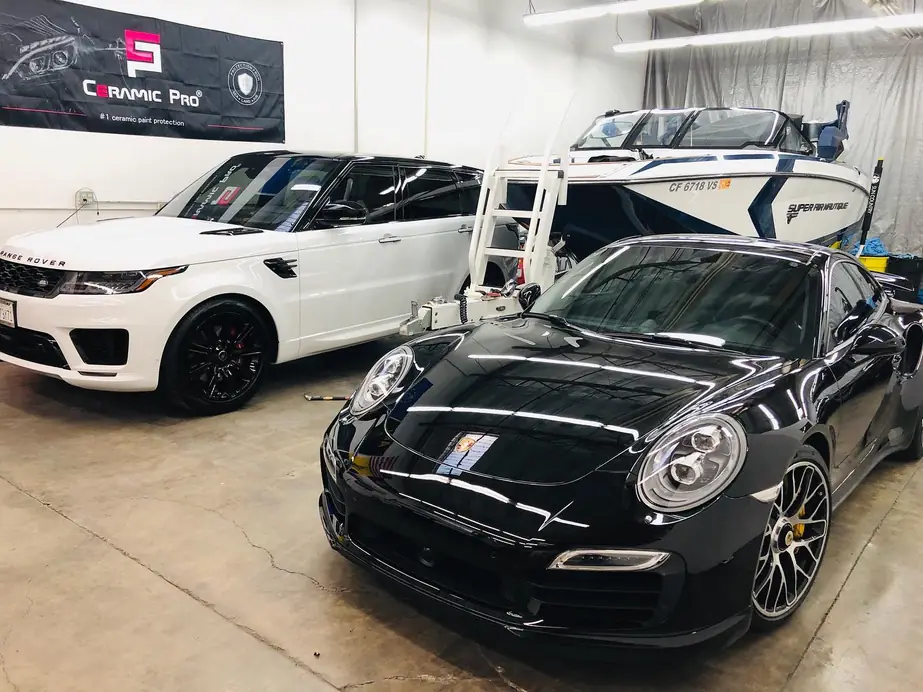
Window tint sounds like a simple choice until you start comparing films. One shop lists carbon, another lists ceramic, and a third talks about infrared. The numbers on the box seem to point in different directions, and darkness gets confused with performance. This guide sorts out what each tier of film does so you can have a clear conversation about your car before anything gets installed.
Platinum Plus Detailing installs Ceramic Pro KAVACA tint film at its Costa Mesa shop, in three tiers: Carbon, Ceramic IR and Ultimate IR. All three are priced by window set, so you can see what each step up costs for the area you want to cover.
Darkness is not heat rejection
The first thing to separate is how dark a film looks from how well it blocks heat. Darkness is a measure of how much visible light passes through the glass. Heat rejection is about what the film does with the sun's energy, and much of the heat you feel on your arm in a parked car comes from infrared light, which you cannot see at all.
That is why a lighter film built with the right technology can keep a cabin cooler than a darker film that only absorbs visible light. Shade options on the Platinum Plus tint page run from 5 to 70 percent, and the choice of shade is about the look you want and how you use the car. The choice of tier is about how much heat and UV you want the film to handle.
The three tiers
Carbon film is the entry tier. It is made with carbon particles and gives an even, dark look. According to the Platinum Plus tint page, carbon film blocks up to 99 percent of UVA and UVB rays. UV matters for your skin during long drives and for the interior, where sun exposure fades and dries out dashboards and seats over time. Carbon pricing starts at $99 for a window strip, $149 to match the front two windows, and $249 for a full windshield.
Ceramic IR is the middle tier. Instead of carbon, it uses ceramic particles designed to reject infrared, and the shop lists it as rejecting up to 96 percent of infrared heat. You feel the difference most when the car has been parked in the sun, since the cabin is less likely to turn into an oven. Ceramic IR starts at $149 for a window strip, $249 for the front two windows, $349 for a full windshield and $649 for a full vehicle surround.
Ultimate IR is the top tier on the price list, starting at $249 for a window strip, $349 for the front two windows, $449 for a full windshield and $999 for a full vehicle surround. For the specific performance figures that separate it from Ceramic IR, ask the team to show you the film's spec sheet, so you are comparing real numbers instead of marketing words.
A quick way to choose
- You want a clean, even look and UV protection at the lowest price: Carbon.
- You park in the sun, commute in traffic or want a noticeably cooler cabin: Ceramic IR.
- You want the highest tier and are comfortable paying for it: Ultimate IR.
- You only need to match your front windows or add a windshield strip: ask for the specific window price in each tier.
Pricing varies by car size and complexity, and the numbers above are starting prices from the published list. The team will quote your exact vehicle.
Coverage and the windshield
Many drivers start with a front-window match, since a mismatched set of windows looks odd. Others go for a full vehicle surround so every side and rear window matches. A full windshield tint is on the price list in each tier, so it is worth talking through how you drive, including at night, before settling on windshield coverage.
Platinum Plus also offers an optically clear windshield protection film, starting at $599, which is a different product from tint. If you are comparing, ask about both.
Free Ticket Insurance and next steps
Platinum Plus attaches Free Ticket Insurance to its tint work. In the shop's own words, if you receive a ticket for the tint on your two front windows, the team will remove the tint from your front windows free of charge, and once you are ready, reapply it on those two windows for free. Some conditions may apply, so call to hear the full details before you book.
Come in with your car and a rough idea of how you use it. The team can show you the film in person, explain how each tier differs and quote your exact vehicle. Tint is a job where clean, careful hand installation shows, so choose a shop you trust with the finish as much as the film.
See the window tinting page for the full price list in each tier, or call (714) 614-1691 for a free quote.
Platinum Plus Detailing, (714) 614-1691
Call (714) 614-1691More articles
Ceramic coating vs paint protection film: what each one does for your paint
Coating and film protect paint in different ways, and knowing the difference makes any quote easier to read.
How to wash a ceramic-coated car so the coating keeps working
A good wash routine is the cheapest way to keep a coating looking and behaving the way it did on day one.